Does taking BPH medications increase the risk of dementia?
Updated: Jun 30, 2025
THE BIG PICTURE
Many men with BPH wonder if their medications could impact brain health. Since BPH and memory loss are common in men the same age, it's normal to worry about memory loss or dementia. This article looks at what recent studies say about the possible connection between BPH treatments and brain function.

Can an Enlarged Prostate Cause Dementia?
BPH itself does not directly cause dementia. While urinary symptoms like frequent nighttime urination(nocturia) can disrupt sleep and affect quality of life, no evidence shows that BPH directly leads to memory loss or cognitive decline. However, chronic sleep disruption may contribute to mood changes, fatigue, and difficulties with concentration if left untreated for years.
Do BPH Medications Affect Memory or Dementia Risk?
Some studies have raised concerns about possible links between BPH medications and dementia risk, but evidence remains mixed.
Does Flomax (Tamsulosin) Increase Dementia Risk?
Tamsulosin is a widely used alpha-blocker recommended by major guidelines as a first-line treatment for BPH.
A large cohort study found a statistically significant increase in dementia incidence in tamsulosin users compared to non-users and users of alternative BPH medications.
However, other large-scale studies have found no consistent link between tamsulosin and dementia. Importantly, tamsulosin poorly crosses the blood-brain barrier, making a direct biological mechanism for dementia less likely.
Based on current evidence, leading urological societies like AUA and EAU continue to recommend tamsulosin as a generally safe and effective first-line option when appropriately prescribed.
The primary side effects remain low blood pressure and ejaculatory dysfunction, not cognitive impairment.
Can Prostate Medication Cause Memory Loss?
5-alpha-reductase inhibitors (finasteride, dutasteride):
Some observational studies have reported rare cases of depressive symptoms, fatigue, and mild cognitive complaints in certain patients. The absolute risk of dementia remains unclear and appears very low. In most men, cognitive side effects are reversible if they occur.
Comparing to Other Medications with Established Dementia Risk
While tamsulosin shows some signals in observational studies, its association with dementia risk remains far weaker than certain other widely used medications. For example:
Anticholinergic drugs
(often prescribed for overactive bladder, allergies, or depression) are strongly associated with cognitive decline and dementia. Multiple large studies found cumulative anticholinergic exposure significantly increased dementia risk.
Benzodiazepines
(used for anxiety or insomnia) are consistently linked to higher dementia risk in older adults.
Certain chemotherapy agents
(e.g., methotrexate, ifosfamide) used for cancer treatment have documented neurotoxicity and cognitive side effects.
Diabetes medications
like insulin or sulfonylureas carry indirect risks when severe hypoglycemia episodes occur repeatedly.
Compared to these agents, tamsulosin's impact on dementia risk appears minimal and remains under ongoing investigation.
Medications to Avoid in Elderly BPH Patients
Doctors often avoid the following in older BPH patients due to their cognitive side effect profiles:
Strong anticholinergics
Sedatives and sleep aids
Multiple central nervous system depressants
Safe Treatment Options for BPH
Despite concerns, most BPH treatments are very safe when carefully tailored.
Medications
Alpha-blockers (such as tamsulosin) and 5-alpha-reductase inhibitors (finasteride, dutasteride) remain the mainstay of treatment.
Supplements
Saw palmetto is widely used, but high-quality studies, including a 2012 Cochrane review of 32 randomized controlled trials, found no significant benefit of saw palmetto over placebo for BPH symptom relief. Always consult your doctor before starting any supplement.
Lifestyle changes
Reducing evening fluid intake, limiting caffeine and alcohol, maintaining physical activity, and managing weight can help reduce symptoms and may indirectly support cognitive health.
Key Takeaways
BPH does not cause dementia directly.
Some observational studies suggest a possible link between certain BPH medications (like tamsulosin) and dementia, but evidence is mixed and inconclusive.
Tamsulosin remains a guideline-recommended first-line treatment for BPH with a generally safe profile.
Compared to other commonly used medications in elderly adults (such as anticholinergics and benzodiazepines), BPH medications show a much weaker association with cognitive risk.
Comprehensive medication reviews can help minimize any cognitive risk, especially in elderly patients.
Lifestyle changes not only help BPH symptoms but may also support brain health.
Check if your medication is working.
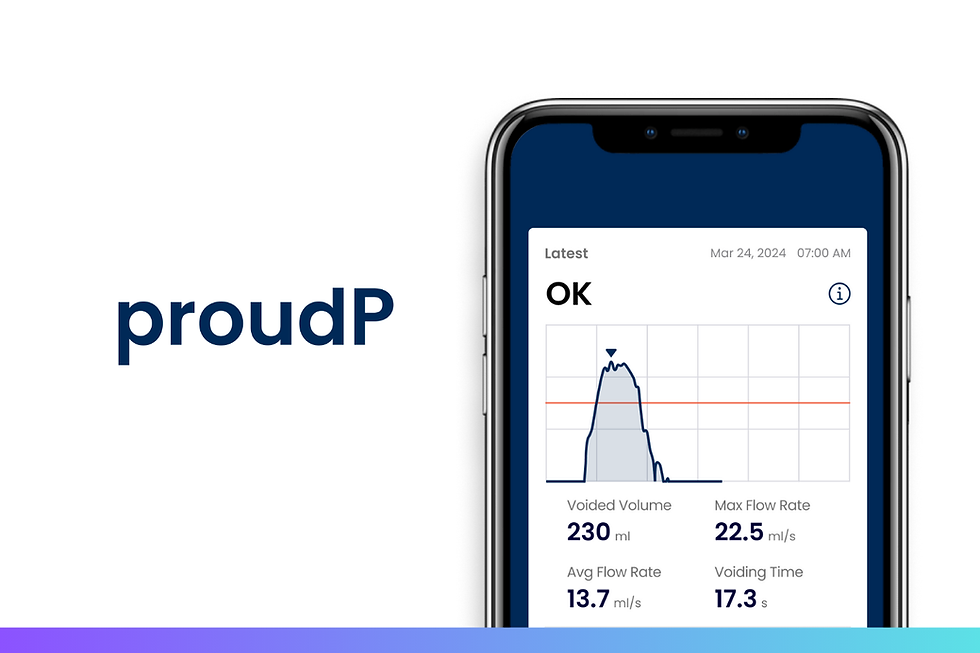
Not sure if your treatment is helping? Sometimes, how you feel isn't the whole picture. proudP urine flow test is an easy, objective way to monitor your prostate health—right from home.
Whether you're checking if your treatment is working, tracking your recovery after surgery, or trying to decide when it’s time to see a doctor—try proudP.
FAQ
Does BPH cause dementia?
No. BPH itself does not directly cause dementia. While sleep disruption from urinary symptoms may affect concentration and mood, BPH is not a direct cause of cognitive decline.
Can tamsulosin (Flomax) increase dementia risk?
Some observational studies suggest a small increased risk of dementia with tamsulosin, but evidence is mixed. Tamsulosin does not easily cross the blood-brain barrier, and most experts still consider it safe when properly prescribed.
Are 5-alpha-reductase inhibitors like finasteride linked to memory loss?
Rare cases of mild cognitive complaints have been reported with 5-alpha-reductase inhibitors, but serious memory issues or dementia remain very uncommon.
Which medications increase dementia risk more than BPH drugs?
Medications like anticholinergics, benzodiazepines, and certain chemotherapy drugs have a much stronger established link to dementia risk compared to BPH medications.
What lifestyle changes help both BPH and brain health?
Limiting caffeine and alcohol, maintaining physical activity, weight management, and good sleep hygiene may help reduce both urinary symptoms and support cognitive function.
Sources
References
Standards for Editorial Practice
Our mission is to transform healthcare for men of all ages, wherever they live and whatever their health history. We believe that starts with education to help us all understand our ever-changing bodies and health needs. Our core values guide everything we do, including the standards we use to ensure the quality and trustworthiness of our content and editorial processes. We are committed to providing information that is up to date and based on evidence-based research and peer-reviewed journals.