
Can spicy food, alcohol, or caffeine make BPH symptoms worse?
Updated: Sep 9, 2025
THE BIG PICTURES
Many men with benign prostatic hyperplasia (BPH) worry about whether what they eat or drink might make their urinary symptoms worse. Certain foods and beverages may irritate the bladder or prostate, trigger inflammation, or worsen existing symptoms. In this guide, we answer the most common patient questions about spicy foods, alcohol, caffeine, carbonated drinks, and other dietary factors that may affect BPH.
Are you managing BPH?
Use code HELLO9 for 2 weeks free.

Do spicy foods worsen BPH symptoms?
Spicy foods are a frequent concern for men with BPH. While spicy ingredients like chili peppers don't directly enlarge the prostate, they may act as bladder irritants.
Capsaicin, the active compound in many spicy foods, can stimulate bladder nerves and temporarily increase urgency or frequency of urination, especially in men already dealing with BPH or overactive bladder. This effect is more about irritating the bladder rather than worsening the underlying prostate enlargement itself.
Importantly, these effects are temporary. Spicy foods don’t appear to permanently damage the prostate or accelerate BPH progression. If you notice that your urinary symptoms worsen after eating spicy meals, limit your intake and monitor how your body responds.
Do spicy foods raise PSA?
There’s no strong evidence that spicy foods directly elevate PSA (prostate-specific antigen) levels. PSA may rise with inflammation, infection, or prostate trauma, but diet has little impact on short-term PSA fluctuations.
Does alcohol make BPH symptoms worse?
Alcohol may contribute to worsening urinary symptoms in several ways:
Diuretic effect: Alcohol increases urine production, which may lead to more frequent nighttime urination (nocturia).
Bladder irritation: Alcohol can irritate the bladder lining and increase urgency.
Hormonal effects: Some evidence suggests chronic heavy drinking may influence testosterone metabolism, potentially impacting prostate health long-term.
For most men with BPH, moderate alcohol intake (e.g., 1–2 drinks per day) is unlikely to cause major harm. However, heavy or regular binge drinking may worsen lower urinary tract symptoms(LUTS). If you find that alcohol consistently triggers more nighttime trips to the bathroom or urgency, reducing intake may help.
Does caffeine aggravate BPH or urinary symptoms?
Caffeine acts as both a diuretic and a bladder stimulant. In men with BPH, this combination can worsen urinary urgency, frequency, and incomplete emptying:
Increased urine production
Stronger bladder contractions
Irritation of bladder nerves
Coffee, tea, and many soft drinks contain caffeine. Studies have found that reducing caffeine intake can lead to meaningful improvement in urinary symptoms for some men with BPH. That said, occasional caffeine use in moderate amounts may be tolerated by many individuals without severe flare-ups.
What about carbonated beverages?
Carbonated drinks may exacerbate BPH symptoms for two main reasons:
Bladder irritation from carbon dioxide bubbles
Often combined with caffeine and sugar
While carbonation itself may be a mild bladder irritant, the combination of caffeine, acidity, and sugar in many soft drinks can worsen LUTS. Some men report improvement after switching from carbonated to still water or cutting back on sodas altogether.
Does drinking water after soda help?
Diluting carbonated beverages by drinking plain water afterward may help minimize irritation for some men, but it's better to limit sugary or highly acidic carbonated drinks overall.

Are there other foods that can trigger prostate symptoms?
Aside from spicy foods, alcohol, and caffeine, other possible irritants include:
Acidic fruits (citrus, tomatoes)
Highly salty foods
Artificial sweeteners (in some sensitive individuals)
Diet alone doesn’t cause BPH, but certain foods may make symptoms feel worse on bad days.
Remember to apply code HELLO9 for 2 weeks of free use.
Can diet shrink the prostate?
While diet plays a role in symptom management, it cannot directly shrink an enlarged prostate. However, healthy dietary habits may slow progression:
A plant-based, anti-inflammatory diet rich in vegetables, fruits, and healthy fats may support prostate health.
Some studies suggest benefits of lycopene (tomatoes), green tea, and certain supplements, though evidence remains mixed.
Always discuss supplements or major dietary changes with your healthcare provider.
Key Takeaways
Spicy foods, alcohol, caffeine, and carbonation may worsen bladder irritation, but don’t directly cause BPH.
Limiting these triggers can reduce urinary frequency, urgency, and nocturia.
Moderation is key — occasional intake may be fine for some men.
Healthy lifestyle habits may help manage symptoms over time.
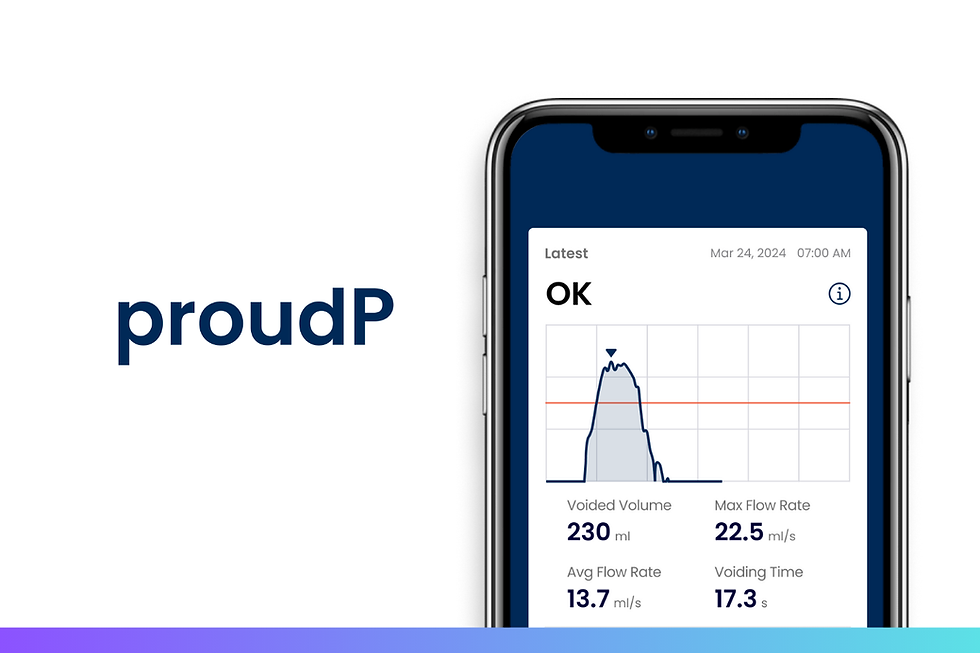
Tools like proudP allow you to objectively monitor your progress.
How proudP Can Help You
Benign prostatic hyperplasia (BPH) is a common part of aging for many men. If you’re entering midlife and starting to feel changes in your urinary habits, proudP can help you understand what’s going on—from the comfort of your home.
Your urine flow tells a bigger story than you might think. proudP uses AI to assess your flow and deliver meaningful insights. Whether you're checking if your treatment is working, tracking your recovery after surgery, or trying to decide when it’s time to see a doctor—we’re here to support you.
Standards for Editorial Practice
Our mission is to transform healthcare for men of all ages, wherever they live and whatever their health history. We believe that starts with education to help us all understand our ever-changing bodies and health needs. Our core values guide everything we do, including the standards we use to ensure the quality and trustworthiness of our content and editorial processes. We are committed to providing information that is up to date and based on evidence-based research and peer-reviewed journals.
FAQ
Do spicy foods worsen an enlarged prostate?
Spicy foods can irritate the bladder, leading to increased urgency or frequency of urination, but they don’t directly worsen prostate enlargement itself.
What spices are bad for the prostate?
Strong spices containing capsaicin (like hot peppers) may temporarily irritate the bladder. However, no spice has been shown to permanently damage the prostate.
What spices are bad for the prostate?
Strong spices containing capsaicin (like hot peppers) may temporarily irritate the bladder. However, no spice has been shown to permanently damage the prostate.
Can spicy food raise PSA?
There’s no evidence that spicy foods directly increase PSA levels. PSA changes are usually linked to prostate size, inflammation, or cancer—not diet.
What foods cause the prostate to swell?
No specific foods directly enlarge the prostate. However, high-fat, low-fiber diets and obesity may indirectly contribute to BPH progression.
What irritates the prostate?
Bladder irritants such as caffeine, alcohol, spicy foods, acidic fruits, and artificial sweeteners can worsen urinary symptoms in men with BPH.
What are the risks of eating with a swollen prostate?
Certain foods may temporarily worsen bladder symptoms but don’t pose serious risks. Long-term prostate swelling requires medical evaluation, not just dietary changes.
How do you reduce inflammation of the prostate?
Lifestyle changes, such as weight loss, regular exercise, anti-inflammatory diets, and limiting bladder irritants, may help reduce prostate-related inflammation.
What is the best drink for prostate inflammation?
Water, green tea (rich in antioxidants), and pomegranate juice have been studied for potential prostate health benefits.
What is the best drink to lower PSA?
No specific drink is proven to lower PSA. PSA levels reflect multiple prostate-related conditions, not just diet.
Does lemon water help the prostate?
There’s no strong evidence that lemon water directly benefits the prostate, though staying well hydrated is generally helpful.
Are eggs good or bad for the prostate?
Eggs in moderation are generally considered safe; no strong evidence links egg consumption to prostate enlargement.
Is honey bad for an enlarged prostate?
Honey has not been shown to affect BPH one way or the other. It’s not considered harmful in moderation.
Can an enlarged prostate go back to normal?
BPH does not resolve on its own, but medications and minimally invasive treatments can reduce prostate size and relieve symptoms.
Does alcohol worsen BPH symptoms?
Yes, alcohol may worsen urgency, nocturia, and frequency in men with BPH due to its diuretic and irritant effects.
Does alcohol cause prostate inflammation?
Heavy, chronic alcohol use may contribute to hormonal imbalances and general inflammation, but moderate drinking is not directly linked to prostate inflammation.
Does alcohol affect prostate PSA levels?
Alcohol intake is not a major factor in PSA fluctuations. Other causes, such as infection or biopsy, play a bigger role.
Does dehydration make BPH worse?
Dehydration can lead to more concentrated urine, which may irritate the bladder and worsen urgency or burning sensations.
Does drinking lots of water help an enlarged prostate?
Staying hydrated can reduce bladder irritation, but excessive fluid intake may increase nighttime urination (nocturia) in some men.
Does caffeine irritate the bladder or prostate?
Yes, caffeine stimulates bladder activity and can worsen urgency and frequency in men with BPH.
Does caffeine affect Flomax?
Caffeine doesn’t directly interact with Flomax but may aggravate urinary symptoms even while on medication.
Does caffeine increase PSA levels?
There’s no strong link between caffeine intake and PSA levels.
What drugs worsen BPH?
Certain medications, including decongestants, antihistamines, and some antidepressants, can worsen BPH symptoms by tightening the bladder outlet.
What exercises should you avoid with an enlarged prostate?
Activities causing prolonged perineal pressure (e.g., cycling without proper seat padding) may aggravate symptoms. Moderate aerobic exercise is generally beneficial.
Can sitting too much cause an enlarged prostate?
Prolonged sitting may worsen pelvic pressure and urinary symptoms but doesn’t directly enlarge the prostate.
What is the fastest way to shrink an enlarged prostate?
Medications (5-alpha reductase inhibitors) and minimally invasive procedures (Rezum, Aquablation) offer faster symptom relief than lifestyle changes alone.
Does cranberry juice help with an enlarged prostate?
Cranberry juice may help prevent urinary tract infections but has limited evidence for BPH symptom improvement.
Is banana good for an enlarged prostate?
Bananas are not directly linked to prostate health but are safe and nutritious as part of a healthy diet.
What exercises shrink the prostate?
While no exercise shrinks the prostate directly, regular physical activity supports hormonal balance and reduces risk factors contributing to BPH progression.


