
Taking flomax? What you need to know before cataract surgery
Updated: Sep 2, 2025
As men get older, two health issues often show up around the same time: an enlarged prostate (BPH) and cataracts. At first glance, these conditions seem unrelated—one affects your bladder, the other your eyes. But research has shown an important connection: some prostate medications can make cataract surgery more challenging.
BPH and Its Common Treatments
Benign prostatic hyperplasia (BPH) affects over half of men in their 50s and up to 90% of men in their 80s. Symptoms include a weak urine stream, frequent trips to the bathroom, and the feeling of not fully emptying your bladder.
One of the most commonly prescribed medications is tamsulosin (Flomax®), an alpha-blocker that relaxes muscles in the prostate and bladder neck to improve urine flow. It’s highly effective, but it also has effects beyond the urinary tract.
Cataracts: A Common Eye Condition in Older Adults
Cataracts develop when the lens of your eye becomes cloudy, causing blurred vision, glare, and sensitivity to light. By age 65, many adults either have cataracts or have had surgery to remove them. Cataract surgery is safe and effective—but it can be complicated by certain medications.
The Link: Tamsulosin and Cataract Surgery
Tamsulosin doesn’t just act on the prostate. It also affects the muscles of the iris (the colored part of your eye). During cataract surgery, this can lead to intraoperative floppy iris syndrome (IFIS), a condition where the iris becomes unstable, wobbles, or doesn’t dilate properly.
In one landmark study, 63% of men on tamsulosin developed IFIS during cataract surgery Chang & Campbell, 2005
Another study reported that 30% of patients had full IFIS symptoms and 35% showed partial signs Cheung et al., 2006
Reviews show that between 57% and 100% of tamsulosin users may experience some degree of IFIS during surgery Yang et al., 2020

Why does this matter? IFIS can make cataract surgery more difficult, increasing the risk of complications such as torn tissue or slower recovery.
And here’s the key point: even if you stopped tamsulosin months—or years—before surgery, the risk can remain. That’s why your eye surgeon needs to know your full medication history.
What About Other BPH Medications?
Other alpha-blockers (like alfuzosin or doxazosin) have also been linked to IFIS, but tamsulosin is the strongest and most consistent trigger.
5-alpha-reductase inhibitors (like finasteride or dutasteride) are not directly linked to IFIS but can still have other side effects (such as sexual or hormonal changes).
What Patients Should Do
If you take—or have ever taken—tamsulosin, keep these tips in mind:
Tell your eye doctor. Before cataract or glaucoma surgery, always disclose any current or past use of BPH medications.
Don’t stop medications on your own. Your urologist may need to adjust your treatment plan, but stopping suddenly can worsen urinary symptoms.
Encourage teamwork. Good communication between your urologist and ophthalmologist helps ensure a safer surgery.
The Bottom Line
BPH and cataracts are two of the most common conditions men face with age. While they affect different parts of the body, the treatments can overlap in important ways.
If you’re on tamsulosin, cataract surgery can still be safe—as long as your doctors know about your medication history and prepare accordingly.
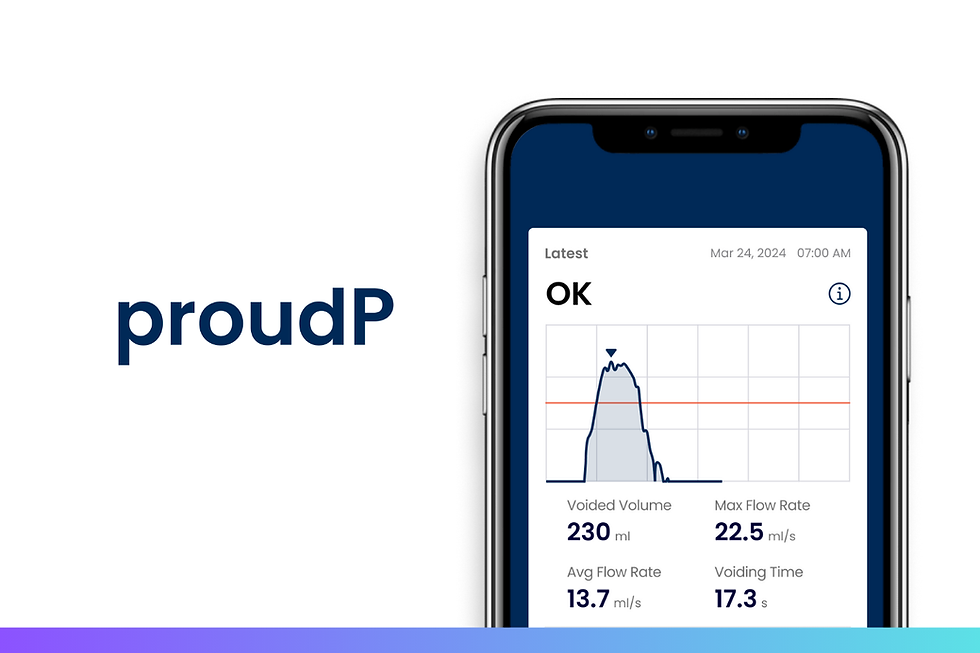
And remember: monitoring your urinary health matters, too. The proudP app lets you check your urine flow at home, track changes, and share results with your doctor—so you can manage your prostate health with confidence.
Are you on BPH medication? Check Your BPH Symptom Score (IPSS) Online. It takes <2 minutes. Get a clearer picture before your next visit.
References
Complications of cataract surgery in patients with BPH treated with alpha 1A-blockers, Cent European J Urol. 2011 Jun 2;64(2):62–66. doi: 10.5173/ceju.2011.02.art2
Chang DF, Campbell JR. Intraoperative floppy iris syndrome associated with tamsulosin. J Cataract Refract Surg. 2005;31(4):664–673.
Cheung CMG, Awan MA, Sandramouli S. Prevalence and clinical findings of tamsulosin-associated intraoperative floppy-iris syndrome. J Cataract Refract Surg. 2006;32(8):1336–1339.
Chatziralli IP, et al. Risk factors for intraoperative floppy iris syndrome. Eye. 2016.
A narrative review of intraoperative floppy iris syndrome. Ann Transl Med. 2020.
FAQ
Should I stop taking tamsulosin before cataract surgery?
Stopping on your own is not recommended. Even if you quit tamsulosin, its effects on the iris may last for months or years. Always talk to your urologist and eye surgeon before surgery.
What is IFIS and why does it matter?
IFIS (Intraoperative Floppy Iris Syndrome) is a condition where the iris becomes floppy and unstable during cataract surgery. It makes the procedure more challenging and can increase complication risks.
Do all prostate medications cause IFIS?
No. Tamsulosin is most strongly linked to IFIS. Other alpha-blockers may also be associated, but the risk is lower. 5-alpha-reductase inhibitors like finasteride and dutasteride are not directly linked.
Is cataract surgery still safe if I take tamsulosin?
Yes. Cataract surgery is generally safe, but your surgeon needs to know your full medication history so they can use special techniques and tools if IFIS occurs.
What should I tell my doctor?
Tell both your urologist and ophthalmologist if you are currently taking or have ever taken tamsulosin. This helps your doctors prepare for a safer surgery.
Standards for Editorial Practice
Our mission is to transform healthcare for men of all ages, wherever they live and whatever their health history. We believe that starts with education to help us all understand our ever-changing bodies and health needs. Our core values guide everything we do, including the standards we use to ensure the quality and trustworthiness of our content and editorial processes. We are committed to providing information that is up to date and based on evidence-based research and peer-reviewed journals.


