
Waking up 2+ times a night? 5 ways nocturia can affect your health
Updated: Sep 1, 2025
Do you wake up more than once a night to pee? If so, you’re not alone — and it’s not just a normal part of getting older.
Doctors call this condition nocturia(nighttime urination), and it affects millions of men and women worldwide. Many people shrug it off as “just annoying,” but research shows it can have a much bigger impact on your health, your energy, and even your wallet.
Why Does Nocturia Matter?
It’s easy to think nighttime trips to the bathroom are just about lost sleep, but studies show there’s more to it:
Sleep and mood: Poor sleep can affect your energy, focus, and mood during the day.
Health risks: Nocturia is linked to higher rates of heart disease, diabetes, falls, and even a higher risk of fractures.
Quality of life: When you’re tired and dragging through the day, it’s harder to enjoy life — whether that’s time with family, hobbies, or work.
Economic costs: In one study, people with frequent nighttime urination missed nearly 4 hours of work per week on average.
What Does the Research Say?
A major analysis looked at people who woke up two or more times per night to urinate. Compared to those who didn’t:
They had 60% higher hospitalization rates.
They made 19% more outpatient doctor visits.
They worked 3.9 fewer hours per week on average.
They were less likely to be employed.
And their extra healthcare costs added up to $62.9 billion per year in the U.S. (2017 data).
That’s a big impact for something many people think is “just part of aging.”

What Can You Do?
The good news is there are simple steps you can take to manage nocturia and its impact:
Talk to your doctor. Don’t assume it’s normal. Nocturia can have many causes — some easy to treat.
Keep a bladder diary. Writing down when you drink fluids and when you wake up to pee can help your doctor figure out patterns.
Lifestyle changes help. Simple things like adjusting when you drink water, managing medications, and tracking other symptoms can make a big difference.
The Bottom Line
Getting up at night to pee isn’t just an inconvenience — it can be a sign of something more. Addressing it early can help you sleep better, protect your health, and improve your quality of life.
If you wake up often at night, bring it up with your doctor. And if you’re curious about tracking your bladder habits more easily, there are simple tools to monitor patterns over time.
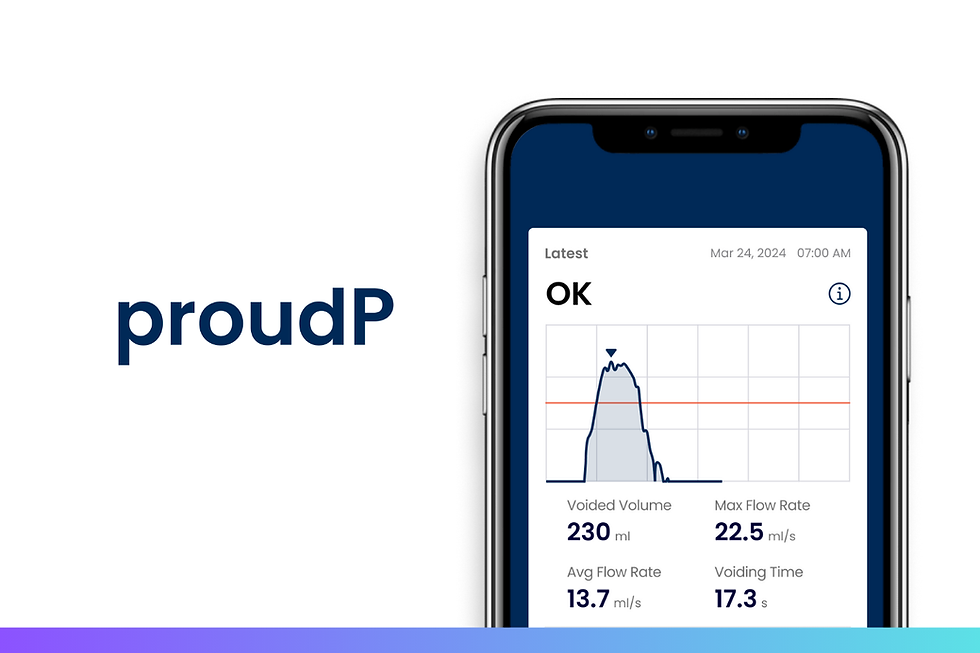
One example is proudP, a privacy-focused smartphone app that automatically tracks your urination patterns — day and night. With accurate data in hand, you and your doctor can have more informed conversations and find the best way to manage your symptoms.
First, take 3 minutes to check your prostate symptom score — this quick-check can help you understand your symptoms and talk more confidently with your doctor.
*References:
Nocturia in Men—Is The Prostate Really to Blame?, Andrew P. Orlando MD a, Laura A. Maciejko MD a, Lori B. Lerner MD

