
The hidden complication after TURP: Bladder neck contracture
Updated: Sep 9, 2025
THE BIG PICTURE
Benign prostatic hyperplasia(BPH) surgery helps many men regain easier urination, but a small number may develop complications afterward. One of these rare but important complications is Bladder Neck Contracture(BNC). This occurs when scar tissue forms at the bladder neck—where the bladder connects to the urethra—causing the opening to narrow.
It’s more likely to happen after procedures like TURP or radical prostatectomy. In this guide, we answer the most common questions men ask about this condition. What it is, why it happens, and how it can be managed.
What exactly is bladder neck contracture?
The bladder neck is the area where the bladder connects to the urethra. After BPH surgery such as TURP, scar tissue can sometimes form in this area. This narrowing, called a bladder neck contracture, can block or restrict urine flow. You might notice symptoms like a weak stream, straining, or incomplete emptying.
Can BPH itself cause bladder neck issues?
Yes. Even before surgery, an enlarged prostate can press against the bladder neck and cause partial obstruction. That’s often why surgery is recommended in the first place—to relieve that pressure and restore normal flow.
Could this explain spasms or urgency?
Absolutely. Chronic pressure or irritation in the bladder from an enlarged prostate can lead to muscle overactivity, which can cause symptoms like spasms, urgency, or even incontinence.
Is this a common problem?
Not very—but it’s not rare either. About 2.2%–9.8% of men who undergo TURP develop bladder neck contracture, usually within the first year after surgery. The odds are a little higher if you’ve had multiple procedures or complex anatomy. It’s more common in cases where a small-volume prostate caused the original obstruction.
Don’t forget to use code HELLO9 and enjoy 2 weeks free.
If you still feel like your bladder isn't empty after surgery
If urine flow remains weak or incomplete after surgery, bladder neck contracture is one possible cause. But other explanations include residual prostate tissue that wasn’t fully removed or bladder muscle weakness from years of working against high pressure.
Many men regain bladder control within a few weeks to months after surgery. But if BNC occurs, it can interrupt or delay your recovery until it’s addressed.
Need one more surgery for BNC
If bladder neck contracture is diagnosed, the good news is that most cases can be treated effectively—often without major surgery.
Endoscopic procedures are typically the first line of treatment. These minimally invasive approaches involve inserting small instruments through the urethra to access the narrowed area. Depending on the degree of scar tissue, your urologist may:
Dilate the bladder neck, gently stretching the narrowed tissue.
Perform a bladder neck incision(BNI) to cut the scar and widen the opening.
Use laser or cautery to carefully remove or break up the scar tissue.
These procedures are usually outpatient and come with minimal recovery time.
In more severe or recurrent cases, surgical reconstruction might be necessary. This involves open or robotic surgery to rebuild the bladder neck and restore proper urine flow.
Your urologist will guide the best option based on your anatomy, treatment history, and symptom severity—but for most men, these treatments are highly effective and help restore quality of life.
Final thoughts
Having had BPH surgery doesn’t mean your journey is over. It can be difficult to determine how well you’re recovering or if complications, such as BNC, are developing based on symptoms alone.
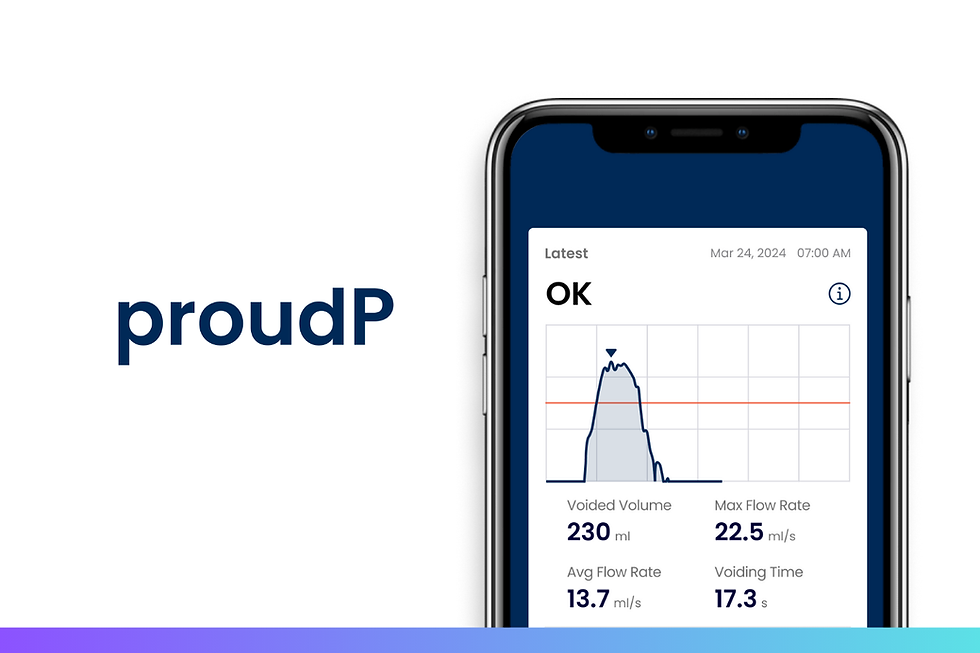
Check with proudP to see if you're regaining prostate health. Going to the hospital is a hassle, but going to the bathroom is too easy. Start proudP.
Standards for Editorial Practice
Our mission is to transform healthcare for men of all ages, wherever they live and whatever their health history. We believe that starts with education to help us all understand our ever-changing bodies and health needs. Our core values guide everything we do, including the standards we use to ensure the quality and trustworthiness of our content and editorial processes. We are committed to providing information that is up to date and based on evidence-based research and peer-reviewed journals.
References
American Urological Association (AUA), 2024 — BPH Management Guidelines
Mayo Clinic — Bladder Neck Contracture Overview
Cleveland Clinic — Urethral Strictures and Bladder Neck Contracture
Johns Hopkins Medicine — Bladder Neck Contracture
National Institute of Diabetes and Digestive and Kidney Diseases (NIDDK) — Urinary Tract Obstruction
ScienceDirect: https://www.sciencedirect.com/science/article/pii/S1015958422004675#!
FAQ
What is bladder neck contracture?
Bladder neck contracture occurs when scar tissue forms at the junction between the bladder and urethra, narrowing the passage and restricting urine flow. It is a possible complication after prostate surgery such as TURP or radical prostatectomy.
How common is bladder neck contracture after TURP?
It’s not very common, but not rare either. About 2.2% to 9.8% of men who undergo TURP may experience this complication, usually within the first year after surgery.
What are the symptoms of bladder neck contracture?
Common signs include:
Weak urine stream
Straining to urinate
Incomplete emptying
Frequent urination or urgencyThese symptoms often resemble those that led to the original BPH surgery.
Can an enlarged prostate cause bladder neck issues before surgery?
Yes. BPH can compress the bladder neck, partially blocking urine flow. That’s one of the reasons surgery like TURP is often recommended.
How does bladder neck contracture affect recovery?
It can delay or interrupt your recovery after BPH surgery. While many men regain bladder control within weeks, BNC can prolong symptoms and require additional treatment.
What are the treatment options if bladder neck contracture occurs?
Most cases are treated with endoscopic procedures such as dilation, bladder neck incision (BNI), or laser cautery. Severe or recurrent cases may need surgical reconstruction to rebuild the bladder neck.
Can I monitor symptoms at home?
Yes. Tools like the proudP app allow you to measure urinary flow from home, helping detect changes early and support timely intervention.

