
Coffee and BPH: Do you really need to quit?
Updated: Sep 1, 2025

As of 2024, 67% of U.S. adults reported drinking coffee yesterday, according to the National Coffee Data Trends survey — the highest rate in 20 years (NCA 2024). Weekly consumption has climbed to 75%, and the average American drinks about three cups a day, totaling more than 1,000 cups a year.
When you break it down by age, the overlap with BPH risk is striking:
Ages 40–59: about 67–69% drink coffee daily
Ages 60+: roughly 69–73% — the highest of any age group
Baby Boomers (born 1946–1964): over 70% report daily consumption (CoffeeBI 2024, Gevi Coffee Data 2023).
In other words, the age when BPH symptoms often start is also when coffee consumption peaks. No wonder so many men ask, “Should I give up coffee for my prostate health?”
Caffeine and the Prostate: Why the Debate?
Coffee contains caffeine, a well-known bladder irritant:
Diuretic effect: can increase urine production, potentially worsening frequency or nighttime trips.
Bladder stimulation: may trigger urgency or, in some men, aggravate incontinence.
Sleep disruption: late-day caffeine can make nocturia worse.
But here’s the nuance: not everyone reacts the same way.Caffeine sensitivity varies, and men who’ve been lifelong coffee drinkers may have built up tolerance, noticing little to no effect.
*Bottom line: coffee isn’t automatically off-limits — the key is adjusting based on how your own body responds.

Do Different Coffee Types Matter?
Common questions include:
“Is an Americano safer than espresso?”
“Is a latte gentler because of the milk?”
The real difference is caffeine content and serving size:
Espresso (1 shot, ~1 oz): ~60–70 mg caffeine
Americano (2 shots + water): ~120–140 mg
Latte (same shot as Americano): same caffeine; milk adds calories and fullness
So, the bigger factors are total daily caffeine and when you drink it — not the drink style itself.
Is Decaf a Safe Option?
Decaf still contains a small amount of caffeine (about 3–15 mg), but far less than regular coffee.For men sensitive to caffeine or with bothersome symptoms, switching partly or fully to decaf can significantly reduce the burden.That said, factors like acidity and temperature can also irritate the bladder, so track your symptoms to see what matters for you.
How to Enjoy Coffee Wisely (BPH-Friendly Tips)
Limit to 1–2 cups a day (keep total caffeine ≤200–300 mg).
Stick to mornings and early afternoons — avoid late-day caffeine to minimize nocturia.
Monitor your symptoms: keep a simple bladder diary of when you drink coffee and how often you urinate.
Watch overall fluid intake: coffee counts toward total fluids; balance accordingly.
Explore alternatives: decaf, caffeine-free teas, roasted barley tea, or herbal teas.
What If You Just Can’t Quit?
You don’t have to give up coffee entirely.The key is personalized moderation — enjoying coffee in a way that doesn’t make your symptoms worse.
If you have no symptoms, your morning coffee is likely fine.
If symptoms flare, adjust by cutting back, switching to decaf, or drinking earlier in the day.
Remember, salt, alcohol, and processed foods can also worsen urinary symptoms; take a holistic approach.
The Bottom Line: Smart Management, Not Total Abstinence
Having BPH or being at risk doesn’t mean you must banish coffee forever. What matters most is dose, timing, and knowing your triggers. Keeping a bladder diary and sharing it with your doctor can help you find your personal “sweet spot” for coffee without sacrificing your quality of life.
Want to understand your urinary patterns better?
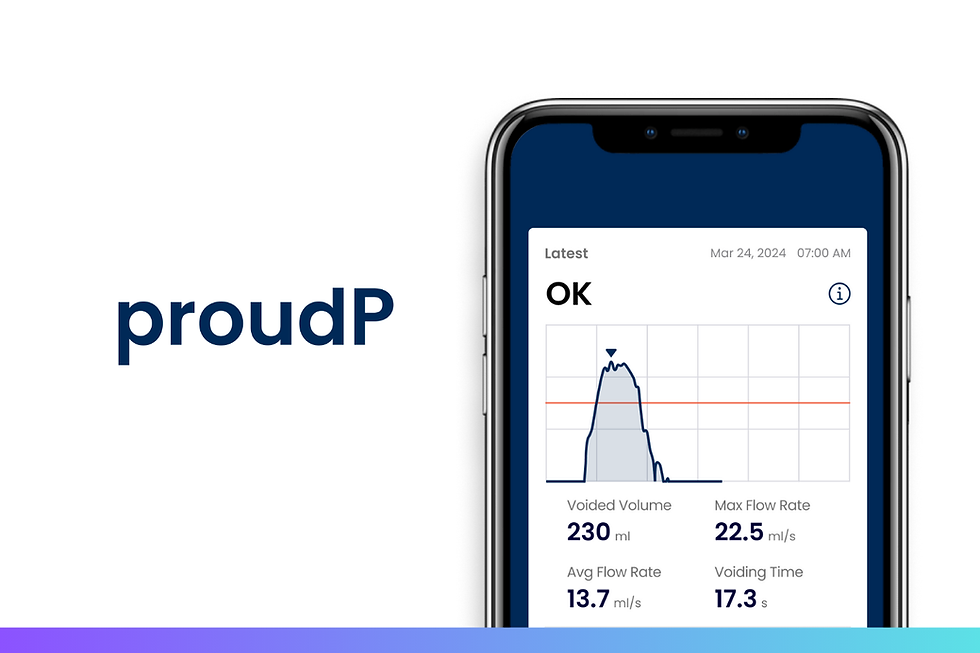
Track your urine flow and symptoms easily at home with proudP, an FDA-registered uroflowmetry app. It helps you share accurate data with your doctor and manage BPH smarter.
Standards for Editorial Practice
Our mission is to transform healthcare for men of all ages, wherever they live and whatever their health history. We believe that starts with education to help us all understand our ever-changing bodies and health needs. Our core values guide everything we do, including the standards we use to ensure the quality and trustworthiness of our content and editorial processes. We are committed to providing information that is up to date and based on evidence-based research and peer-reviewed journals.
*Disclaimer: This article is not intended to provide any medical advice. This information should not be relied upon as a substitute for professional medical advice, diagnosis, or treatment. Always seek the advice of your doctor or other qualified healthcare provider with any questions you may have regarding a medical condition.

