
What BPH Isn’t telling you about your libido
Updated: Sep 1, 2025
Patient Q:
"I've been dealing with BPH for a few years now. It's mostly just frequent urination and some discomfort at night. But lately, I've noticed my sex drive has dropped, and things aren't working the way they used to in the bedroom.
Is this related to my prostate, or am I just getting older?"
Expert A:
This is one of the most common—but least asked—questions from men living with BPH. While BPH or an enlarged prostate, is best known for urinary symptoms like frequency, urgency, and nighttime waking, it can also quietly affect your sexual health.
Changes in libido, erectile function, or ejaculation may not be caused by BPH itself—but they can be influenced by the discomfort, anxiety, and side effects of medications used to manage it.
In this article, we’ll explore how BPH and its treatments can impact your sex life. Most importantly, we’ll discuss practical steps to manage these changes—so you can control your health.
Benign prostatic hyperplasia (BPH), or an enlarged prostate, is a common condition that affects many men as they age—often beginning in their 40s and becoming more prevalent with each passing decade.
While most people associate BPH with urinary symptoms like frequent urination, urgency, or a weak stream, many men privately wonder about another effect.

Can BPH impact your sex life?
The answer is yes—but not always in the way people expect. The relationship between BPH and sexual function is complex, and often misunderstood. In this article, we break down how BPH and its treatments can affect libido, erection quality, and ejaculation—and most importantly, what you can do about it.
The link between bph and libido
Libido, or sexual desire, is shaped by a mix of physical, emotional, and hormonal factors. BPH doesn't directly reduce testosterone or shut down your sex drive. However, it can indirectly lower libido in several ways:
Disrupted sleep from waking up frequently to urinate
Chronic pelvic discomfort that makes intimacy less appealing
Psychological factors, such as stress or anxiety about urinary symptoms
Side effects of medication, especially alpha-blockers that may alter ejaculation
Men often feel distracted, less confident, or simply too tired to engage in intimacy. These feelings can snowball, making sex feel more like a source of frustration than connection.
Erectile function and BPH: A shared pathway
BPH doesn’t directly cause erectile dysfunction (ED), but the two conditions commonly appear together. Why? They share many of the same risk factors, such as aging, reduced blood flow, and nerve changes.
More importantly, some BPH treatments can impact sexual performance:
5-alpha-reductase inhibitors like finasteride(Proscar) can cause erectile dysfunction in about 3.7% of users and decreased libido in 3.3%.
On the other hand, PDE5 inhibitors like tadalafil (Cialis) are approved to treat both BPH and ED, offering a dual benefit.
If you're experiencing both BPH and ED, you're not alone—and you're not without options. Many men benefit from a combination of therapies tailored to their needs.
Ejaculation and prostate health
Changes in ejaculation are another common concern among men with BPH. You might notice:
Reduced semen volume
Dry or delayed orgasm
Retrograde ejaculation
These changes are especially common with medications like tamsulosin (Flomax) or following procedures like TURP(transurethral resection of the prostate).
While these effects don’t typically affect orgasmic pleasure or pose health risks, they can influence emotional satisfaction, confidence, and perceived virility. The good news is that these side effects are often reversible—and in many cases, manageable with adjustments to your treatment.
The role of testosterone
Testosterone is central to both prostate health and sexual performance. While it doesn’t directly cause BPH, imbalances in testosterone levels may influence prostate growth.
Importantly: Low testosterone can lead to reduced libido and erectile difficulties. Managing BPH rarely requires testosterone therapy, but if you suspect your hormone levels are affecting your sex life, it’s worth testing.
Treating erectile dysfunction with bph
If you’ve been diagnosed with ED, there are effective treatments available—even if you also have BPH. The most common are PDE5 inhibitors, including:
Tadalafil (Cialis)
These medications work by enhancing blood flow to the penis, making it easier to get and maintain an erection. They don’t increase desire directly—you still need to be sexually aroused—but they support your body’s natural response.
Among them, Cialis is often preferred for men with BPH, because:
It has a longer duration of action (24–36 hours)
It can be taken daily at a lower dose (5 mg) to treat both ED and BPH symptoms
It’s less affected by food, making it easier to take anytime
Side effects are generally mild and may include headache, flushing, or nasal congestion. However, you should talk to your doctor if you're taking nitrates or alpha-blockers, as there can be dangerous interactions.
Final thoughts
Sexual health is a vital part of overall well-being, and concerns about libido or performance are nothing to be ashamed of. BPH may complicate things—but it doesn’t have to define your sex life. With the right information, treatment, and support, you can navigate these changes with confidence and care.
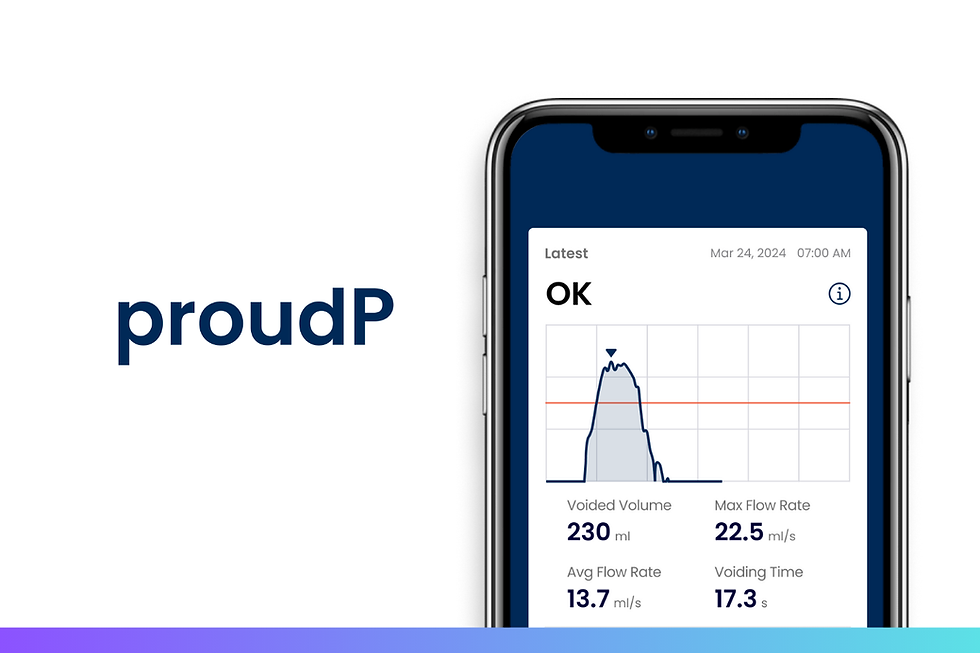
If you are currently undergoing treatment for BPH, check your prostate health with a simple self-test. Today, there are more options than ever before, like proudP test.
proudP urine flow test is an easy, objective way to monitor your prostate health—right from home. Whether you're checking if your treatment is working, tracking your recovery after surgery, or trying to decide when it’s time to see a doctor—try proudP.
Standards for Editorial Practice
Our mission is to transform healthcare for men of all ages, wherever they live and whatever their health history. We believe that starts with education to help us all understand our ever-changing bodies and health needs. Our core values guide everything we do, including the standards we use to ensure the quality and trustworthiness of our content and editorial processes. We are committed to providing information that is up to date and based on evidence-based research and peer-reviewed journals.
FAQ
Does an enlarged prostate affect sexual desire?
Not directly—but the symptoms of BPH, such as frequent urination and poor sleep, can reduce energy, confidence, and interest in sex. Some medications for BPH may also impact libido.
Can BPH cause erectile dysfunction (ED)?
BPH itself doesn't cause ED, but they often occur together due to shared risk factors like age and vascular health. Some BPH treatments may contribute to erectile issues in a small number of men.
Does tamsulosin affect ejaculation?
Yes. Tamsulosin and other alpha-blockers can cause retrograde ejaculation—where semen flows into the bladder instead of exiting the penis. This doesn’t affect orgasm or long-term health, but it may be frustrating.
Is Viagra safe to take with BPH?
Yes, and in fact, tadalafil (Cialis), a medication similar to Viagra, is FDA-approved to treat both ED and BPH. Always consult your doctor before combining medications.
Can ejaculating help with an enlarged prostate?
Regular ejaculation may help keep the prostate healthy by reducing fluid buildup, but it's not a proven treatment for BPH.
Do BPH medications affect libido or testosterone?
Some medications like finasteride can lower libido and cause ED in a small percentage of men. These effects are usually reversible after stopping the drug.
Does prostate massage help with sexual performance?
There is limited evidence supporting prostate massage for ED. It may relieve some pelvic tension but isn’t widely recommended as a primary treatment.
Can you check testosterone at home?
No, testosterone levels require a blood test ordered by a doctor. But you can check your prostate health using apps like proudP that monitor urinary patterns.
How does BPH treatment affect ejaculation and orgasm?
Some men experience reduced semen volume or dry orgasms. These effects are usually not dangerous and often reversible, but they may affect sexual satisfaction.
What’s the connection between testosterone and the prostate?
Testosterone supports prostate growth, but high or low levels can influence both prostate size and sexual function. BPH doesn't usually require testosterone treatment unless a clear hormone deficiency is present.
Sources.
References.
Harvard Health Publishing. Sex and the prostate: Overcoming erectile dysfunction when you have prostate diseasehttps://www.health.harvard.edu/blog/sex-and-the-prostate-overcoming-erectile-dysfunction-when-you-have-prostate-disease-20090331100
Mayo Clinic. Benign prostatic hyperplasia (BPH)https://www.mayoclinic.org/diseases-conditions/benign-prostatic-hyperplasia/symptoms-causes/syc-20370087
National Institute of Diabetes and Digestive and Kidney Diseases (NIDDK). Prostate Enlargement (Benign Prostatic Hyperplasia)https://www.niddk.nih.gov/health-information/urologic-diseases/prostate-problems/prostate-enlargement-bph
American Urological Association. Guideline: Benign Prostatic Hyperplasia (BPH)https://www.auanet.org/guidelines/benign-prostatic-hyperplasia-(bph)-guideline
Cleveland Clinic. Tamsulosin (Flomax) - Side Effects and Sexual Functionhttps://my.clevelandclinic.org/health/drugs/16477-tamsulosin
Drugs.com. Finasteride Side Effectshttps://www.drugs.com/sfx/finasteride-side-effects.html
FDA. Cialis (Tadalafil) Informationhttps://www.fda.gov/drugs/postmarket-drug-safety-information-patients-and-providers/cialis-tadalafil-information
