
Men with Diabetes: Prostate Health—What to Know
Living with diabetes already asks a lot of you. Add urinary changes—getting up more at night, a weaker stream, urgency—and it can feel like too much. Here’s the simple, science-based bottom line and what you can do this week to stay ahead of it.
Why diabetes and the prostate often collide
More bathroom trips: High blood sugar pulls fluid into the urine (osmotic diuresis) → more frequency and nocturia.
Nerves can slow the bladder: Diabetic neuropathy can reduce bladder sensation and squeezing power → weak stream, hesitancy, residual urine.
BPH stacks on top: As the prostate enlarges with age, these diabetes effects can make LUTS (lower urinary tract symptoms) more likely—and more bothersome.

Common meds that can shape your symptoms
SGLT2 inhibitors (for diabetes): Can increase urination—helpful for glucose, but may amplify frequency/nocturia, especially right after starting or dose changes.
Alpha-blockers (for BPH): Can drop blood pressure; combined with BP meds → dizziness/orthostatic hypotension (move slowly from sitting to standing).
PDE5 inhibitors (e.g., tadalafil): Helpful for BPH/ED, but never mix with nitrates; use caution with other BP-lowering drugs.
Cold/allergy OTCs: Decongestants (pseudoephedrine/phenylephrine) and sedating antihistamines can worsen urinary retention—check labels or ask a pharmacist.
Overactive bladder meds: Anticholinergics may need a post-void residual (PVR) check; mirabegron can raise blood pressure.

What to do this week (simple plan)
Make one list of all your meds (diabetes, blood pressure, BPH, OTC). Bring it to your next visit.
Track for 3–7 days: Log night trips, urgency, and stream changes. Better yet, get objective numbers.
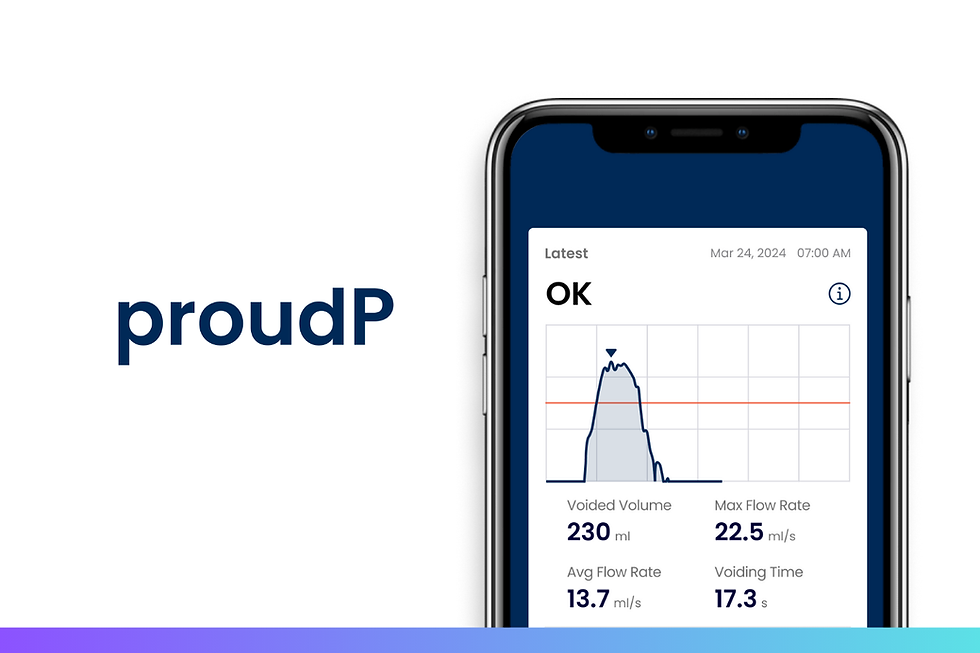
Measure, don’t guess: proudP uses your smartphone to measure urine flow speed and gives you clear before-and-after data you can show your clinician.
Feeling better is great—but objective data guides smarter decisions about dose, timing, or trying a different option. Start with free urine flow test.
When to call your doctor promptly
Burning with fever or flank pain (possible infection)
Inability to pass urine, or repeated near-retention episodes
New or severe dizziness/falls, especially overnight
Visible blood in urine or sudden, persistent pain
Install the app on your phone and make it your bathroom companion. You may be surprised at how reliable a friend it can be.
References
American Urological Association. Benign Prostatic Hyperplasia (BPH) Guideline (2021; amended 2023–2024). AUAAUAA Journals+1
Yuan ZY, et al. Diabetic cystopathy: A review. J Diabetes. 2015. PubMed
Cameron AP, et al. Bladder dysfunction in diabetes mellitus. Transl Androl Urol. (review, open-access). PMC
Frontiers in Endocrinology (2021) Meta-analysis: Diabetes increases LUTS burden in men with BPH (higher IPSS and prostate volume). Frontiers
Gorgojo-Martínez JJ, et al. Managing genitourinary effects of SGLT2 inhibitors (mechanism & LUTS considerations). J Clin Med. 2024. MDPI
Myrbetriq (mirabegron) Prescribing Information — hypertension warning and retention caution. FDA/Astellas. FDA Access Data+1Astellas Pharma US, Inc. | News Room
PDE5 inhibitors & nitrates: absolute contraindication. StatPearls; FDA labels (tadalafil/sildenafil). NCBIFDA Access Data+1
Chang TL, et al. Nocturia, nocturnal polyuria, and enuresis in adults (overview; diabetes relationship). Ther Adv Urol. 2024. PMC
FAQ: Men with Diabetes & Prostate/Urinary Health
Are men with diabetes more likely to have urinary symptoms or BPH?
Yes. Diabetes is associated with a higher burden of lower urinary tract symptoms (LUTS) in men with BPH—on average, symptom scores and prostate volume are higher in diabetic men than in non-diabetic men. Frontiers
Why does high blood sugar affect urination?
Hyperglycemia causes osmotic diuresis (more urine is produced) and, over time, diabetic neuropathy can blunt bladder sensation and contractility—leading to frequency, nocturia, weak stream, and residual urine. PMCPubMed
Do SGLT2 inhibitors make urinary symptoms worse?
They can increase urination by design. Some patients notice more daytime frequency or nocturia after starting or up-titrating SGLT2 inhibitors, so early monitoring is reasonable. MDPIPMC
Which BPH medicines should men with diabetes be careful with?
Alpha-blockers can lower blood pressure; when combined with antihypertensives, dizziness and orthostatic hypotension can increase—stand up slowly and discuss dosing/timing with your clinician. AUA
PDE5 inhibitors (e.g., tadalafil) must never be taken with nitrates; use caution with other BP-lowering drugs. NCBIFDA Access Data
Mirabegron (for overactive bladder) can raise blood pressure; monitor, especially if hypertension is present. FDA Access Data+1
Is nocturia always a prostate problem in diabetes?
No. Nocturia can reflect osmotic diuresis from high glucose, sleep apnea, heart/renal issues, or meds—so it’s worth checking more than just the prostate. PMC
How can I tell if my BPH treatment is working?
Track both how you feel and objective numbers (e.g., urine flow). proudP uses your smartphone to measure urine flow speed so you can compare before vs. after treatment and share clear data with your clinician. (See AUA guidance for LUTS/BPH evaluation.) AUA
When should I call my doctor urgently?
Fever with urinary burning/flank pain, inability to pass urine, new/recurrent fainting, visible blood in urine, or sudden persistent pain.
What can I do this week?
Make a one-page medication list (diabetes, BP, BPH, OTC), monitor symptoms for 3–7 days, and measure urine flow with proudP to guide your next visit.
Standards for Editorial Practice
Our mission is to transform healthcare for men of all ages, wherever they live and whatever their health history. We believe that starts with education to help us all understand our ever-changing bodies and health needs. Our core values guide everything we do, including the standards we use to ensure the quality and trustworthiness of our content and editorial processes. We are committed to providing information that is up to date and based on evidence-based research and peer-reviewed journals.


