
How soon can I return to work after prostate surgery?
Updated: Sep 8, 2025
THE BIG PICTURE
Prostate surgery is just the first step. What really matters to most patients is what comes next—pain, recovery, and returning to normal life. This guide answers the most common questions men have after surgery, so you can feel more prepared every step of the way.

Returning to Daily Life After Prostate Surgery
How soon can I return to work after prostate surgery?
Most men can return to work within 2 to 4 weeks after prostate surgery, depending on the type of surgery performed and the nature of their job. Desk jobs or light work may be resumed sooner, while physically demanding roles may require a longer recovery period.
What is the average recovery time for prostate surgery?
On average, full recovery takes about 4 to 6 weeks. However, this varies based on individual health, age, and whether there were any complications. Initial bed rest or light activity is typically recommended for the first few days to a week. After that, gradually returning to daily tasks is encouraged.
Pain and Physical Discomfort During Recovery
How bad is pain after prostate surgery?
Pain is usually mild to moderate and well-managed with over-the-counter or prescription medications.
What is the best pain relief after prostate surgery?
Acetaminophen or ibuprofen is commonly used. Your doctor may prescribe stronger medication if needed.
Is it painful to sit after prostate surgery?
Some men experience discomfort when sitting, especially in the early recovery phase. A cushioned seat or donut pillow may help.
How much length do you lose after prostate surgery?
A small percentage of men may notice a minor reduction in penile length, usually due to scar tissue or changes in pelvic floor muscle tension.
On medication?
Managing Your Body After Surgery: Sitting, Sleeping, and Moving
What is the best position to sleep after prostate surgery?
Sleeping on your back with your head and legs slightly elevated is usually most comfortable.
How do you sit comfortably after prostate surgery?
Use a soft cushion, avoid sitting for long periods, and change your position frequently.
How much walking should you do after prostate surgery?
Gentle walking is encouraged as soon as possible, starting with a few minutes a day and gradually increasing.
Catheter and Bladder Function
Do all BPH treatments require a catheter afterward?
In general, most BPH procedures involve some short-term catheter use, but the duration and necessity vary widely depending on the technique. Here’s a breakdown:
Procedure | Is Catheter Needed? | Average Duration | Why It's Needed |
Yes | 2–3 days | To allow healing and flush blood/clots | |
Yes | 1–3 days | Similar to TURP; internal healing and blood flushing | |
Rezum | Usually Yes | Few hours to 1 day | Temporary swelling may block flow initially |
Urolift | Sometimes No | None or same-day | Doesn't remove tissue, less irritation |
PAE | Often No | None | Procedure doesn't touch the urethra directly |
How long should a catheter be left in after prostate surgery?
It depends on the procedure, but generally between 1 and 7 days.
How long does it take to pee normally after TURP surgery?
Normal urination typically resumes within 2 to 4 weeks, though some symptoms may linger.
How long will I have blood in my urine after prostate surgery?
It’s common for urine to appear pinkish or slightly bloody for a few days up to a week.
Incontinence and Daily Management
Do I have to wear diapers after prostate surgery, and for how long?
Some men may need to wear adult diapers, pads, or briefs temporarily to manage light incontinence. Light leakage may persist for weeks or months, but most men gradually regain bladder control over time.
Bowel Movement and Digestion
Does it hurt to poop after prostate surgery?
It can be uncomfortable at first. Staying hydrated and eating high-fiber foods helps.
How to have a bowel movement with a Foley catheter?
Be gentle, avoid straining. Use a footstool and consider a fiber supplement if needed.
What foods and drinks should you avoid after prostate surgery?
Spicy, acidic, and gas-producing foods are best avoided during early recovery. Limit caffeine, alcohol, and carbonated beverages initially.
Postoperative Care & Healing
What is the most common complication of prostate surgery?
Urinary incontinence and erectile changes are the most frequently reported.
What is the post-op care for prostate surgery?
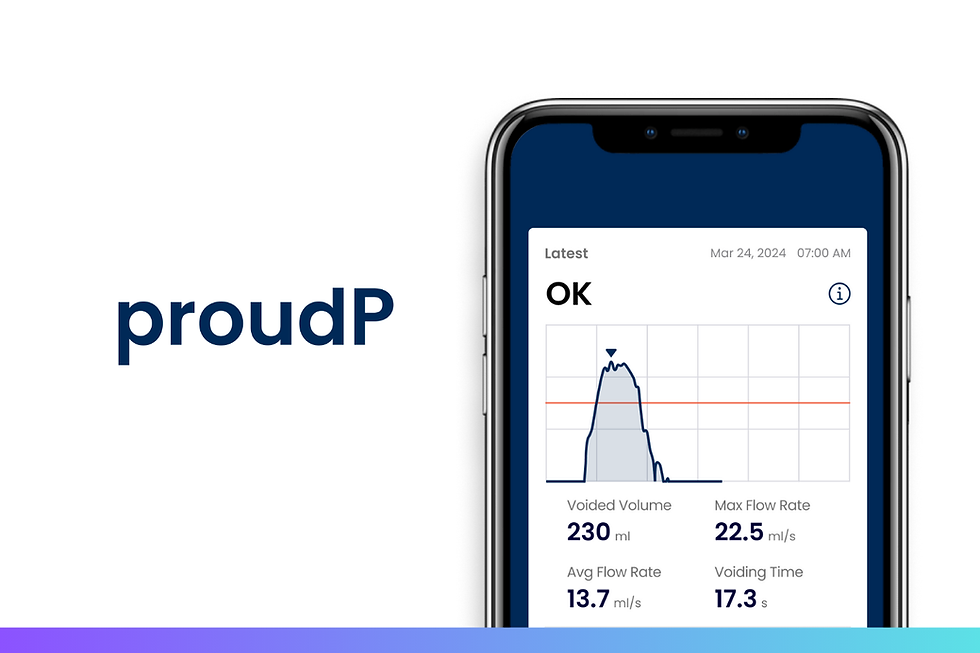
Rest, hydration, pain management, gentle movement, and regular follow-ups with your doctor are essential. To understand how well your body is recovering, consider at-home urinary flow monitoring. With proudP, you can track how your stream is improving over time—no clinic visit required.
The Takeaways
Most men return to work within 2–4 weeks after prostate surgery.
Pain is typically manageable with over-the-counter medication.
A catheter is often required for a few days after surgery.
Light incontinence is common but usually improves within months.
Gentle movement and hydration support faster recovery.
Recovery from prostate surgery is highly individualized. Most men return to normal daily life with successful outcomes, though some discomfort and temporary challenges are expected.
Check if your treatment is working.
Not sure if your treatment is helping? Sometimes, how you feel isn't the whole picture. proudP urine flow test is an easy, objective way to monitor your prostate health—right from home.
Whether you're checking if your treatment is working, tracking your recovery after surgery, or trying to decide when it’s time to see a doctor—try proudP.
Standards for Editorial Practice
Our mission is to transform healthcare for men of all ages, wherever they live and whatever their health history. We believe that starts with education to help us all understand our ever-changing bodies and health needs. Our core values guide everything we do, including the standards we use to ensure the quality and trustworthiness of our content and editorial processes. We are committed to providing information that is up to date and based on evidence-based research and peer-reviewed journals.
FAQ
How soon can I return to work after prostate surgery?
Most men can return to work within 2 to 4 weeks after prostate surgery, depending on the type of surgery and the nature of their job.
What is the average recovery time for prostate surgery?
Full recovery typically takes 4 to 6 weeks, but this can vary depending on your health and whether there were complications.
How many days of rest are required after prostate surgery?
Initial bed rest or light activity is recommended for the first few days to a week.
How bad is pain after prostate surgery?
Pain is usually mild to moderate and manageable with over-the-counter medication.
What is the best pain relief after prostate surgery?
Acetaminophen or ibuprofen is commonly used. Your doctor may prescribe stronger medication if needed.
Is it painful to sit after prostate surgery?
Some discomfort is common. Using a soft cushion or donut pillow can help.
How much length do you lose after prostate surgery?
Some men may notice a small reduction in penile length due to scar tissue or pelvic floor tension.
What is the best position to sleep after prostate surgery?
On your back with your head and legs slightly elevated.
How do you sit comfortably after prostate surgery?
Use a soft cushion and avoid sitting too long in one position.
How much walking should you do after prostate surgery?
Start with a few minutes a day and gradually increase.
Do all BPH treatments require a catheter afterward?
Most do, but the type of treatment determines the duration and necessity.
How long should a catheter be left in after prostate surgery?
Usually 1 to 7 days, depending on the procedure.
How long does it take to pee normally after TURP surgery?
Normal urination often returns within 2 to 4 weeks.
How long will I have blood in my urine after prostate surgery?
It’s common for urine to appear slightly bloody for several days to a week.
Do I have to wear diapers after prostate surgery, and for how long?
You may need to wear adult diapers, pads, or briefs temporarily. Leakage usually improves over time.
Does it hurt to poop after prostate surgery?
It can be uncomfortable. Hydration and fiber can help ease bowel movements.
How to have a bowel movement with a Foley catheter?
Avoid straining, use a footstool, and consider fiber supplements.
What foods and drinks should you avoid after prostate surgery?
Avoid spicy, acidic, gas-producing foods, and limit caffeine and alcohol.
What is the most common complication of prostate surgery?
Urinary incontinence and erectile dysfunction are the most common.
What is the post-op care for prostate surgery?
Rest, stay hydrated, manage pain, walk gently, and follow up with your doctor.
Sources.
References.


