
Does hot weather affect your prostate health?
Updated: Sep 9, 2025
As temperatures rise, you might notice changes in your urinary habits—especially if you're living with benign prostatic hyperplasia (BPH). From sticky heat to unpredictable day-night temperature swings, summer presents unique challenges. Here’s what the latest science says—and how you can stay ahead of your symptoms.

Heat or Temperature Swings: What’s Worse?
It's a common assumption that hot weather worsens urinary symptoms—but recent evidence tells a more nuanced story. High temperatures alone aren’t the main issue. Rather, it's the fluctuation—sharp swings between daytime and nighttime temperatures—that may be driving symptom aggravation.
Most people associate cold weather with worsened urinary symptoms—but new evidence points to another culprit: dramatic day-to-night temperature changes. A large population-based study found that when the day’s temperature swing exceeded 14℃:
The team found that larger daily temperature fluctuations were linked to a sharp increase in urinary emergencies.
Emergency visits increased by 48% when the difference exceeded 14°C.
On those days, catheter insertions for acute urinary retention (AUR) rose by 49%.
Hospital admissions and surgeries also spiked within three months
In short: even on warm summer days, a sharp drop at night can aggravate your bladder. It’s not just about the heat—it’s the fluctuation.
Hydration: Get It Right This Summer
Summer itself doesn’t directly worsen prostate conditions—but changes in hydration habits can. Many people drink more fluids in hot weather, which is good—but too much, too fast, or at the wrong time of day can backfire.
Overhydration or irregular fluid intake may lead to increased urinary frequency, urgency, and disrupted sleep from nighttime trips to the bathroom.
Here's a quick guide to smart hydration:
Daily intake | Aim for 2.5–3.5 L total fluid (including food) per day |
Timing | Sip water gradually throughout the day, not all at once |
Evening | Reduce fluid intake 2–3 hours before bed to limit nocturia |
Drink type | Prioritize plain water; limit caffeine, alcohol, and fizzy drinks |
Symptoms | For urgency/nocturia, moderate intake. For weak stream, ensure adequate hydration |
Want to check your prostate health?
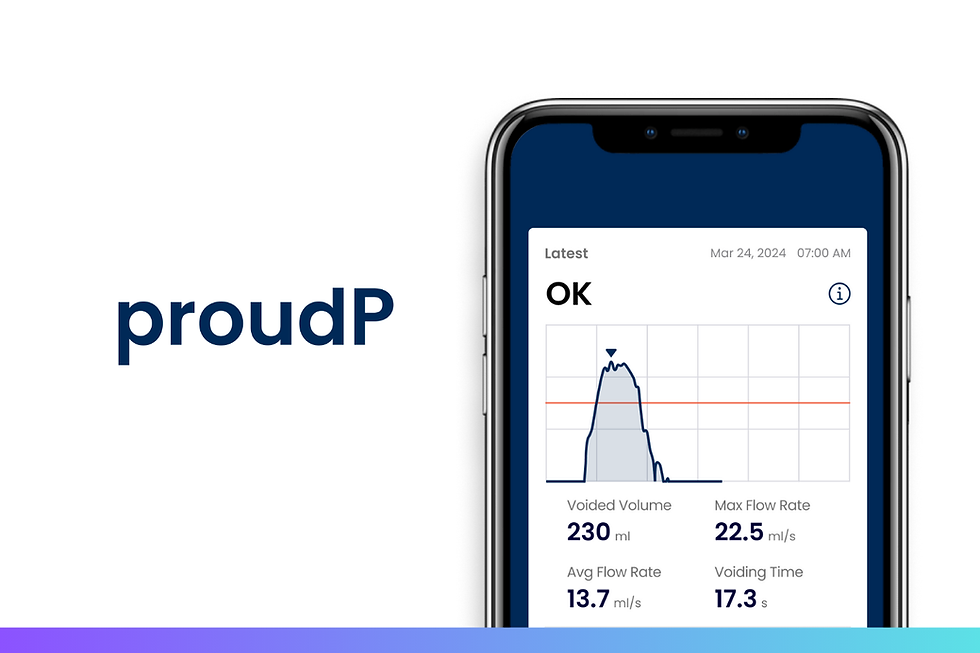
Measure your urine flow strength with the proudP app.
Enter code HELLO9 for 2 weeks of free use.
Are Your Summer Habits Making Things Worse?
Certain warm-weather activities might be silently aggravating your prostate.
Common culprits:
Long drives without bathroom breaks
Sitting outside for extended periods without hydration or movement
Smart swaps:
Schedule regular stretch and restroom breaks
Dress in breathable, loose-fitting clothes
What to Eat (and Skip) When It’s Hot
A few small dietary shifts can go a long way.
Good for your prostate:
Tomatoes (lycopene)
Leafy greens and berries
Omega-3-rich fish
What to minimize:
Carbonated drinks
On the Road? Don’t Wing It.
Summer means travel—and travel can mean disrupted routines. Whether you're on a road trip or catching a flight:
Keep medications handy (and in your carry-on)
Know your restroom options ahead of time
Hydrate with intention: enough to stay healthy, not so much that you're stopping every hour
Planning a trip? Don’t miss this guide.
Small Moves, Big Difference
You don’t have to overhaul your life—just make a few adjustments:
Stay indoors or in the shade between 12–4 p.m.
Use handheld fans or cooling towels during commutes
Stick to breathable fabrics that keep you dry and cool
Final Thoughts
Prostate symptoms don’t take a summer break—but with the right tools, neither do you. Being proactive about hydration, heat, and your daily habits can help you manage symptoms and stay comfortable. And if things feel off? Don’t wait—check in with your provider.
Managing BPH?
Check if your medication is working.
Not sure if your treatment is helping? Sometimes, how you feel isn't the whole picture. proudP urine flow test is an easy, objective way to monitor your prostate health—right from home.
Whether you're checking if your treatment is working, tracking your recovery after surgery, or trying to decide when it’s time to see a doctor—try proudP.
Don’t forget: enter code HELLO9 for 2 weeks of free use.
FAQ
Q1. Does summer heat make prostate symptoms worse?
A: Not directly. It’s not the heat itself but large day-night temperature swings that have been linked to symptom flare-ups in men with BPH.
Q2. How much water should I drink in summer if I have BPH?
A: Around 2.5–3.5 liters of fluid per day is ideal. Spread it evenly throughout the day and reduce intake 2–3 hours before bedtime to avoid nocturia.
Q3. Can dehydration worsen urinary symptoms?
A: Yes. Dehydration can irritate the bladder, increase the risk of infections, and contribute to urgency and discomfort.
Q4. What drinks should I avoid for better prostate health?
A: Limit caffeine, alcohol, sugary drinks, and carbonated beverages as they can irritate the bladder and worsen urinary symptoms.
Q5. What activities might aggravate BPH symptoms during summer?
A: Long drives without breaks, poor hydration habits, and exposure to large temperature swings (e.g., hot day vs. cold indoor AC environments) can all contribute to symptom flare-ups.
Reference
Day Temperature Difference and Aggravation of Low Urinary Tract Symptom in Benign Prostate Hypertrophy Patients in Korea: A National Health Insurance Service-National Cohort-based Study link
Seasonal Changes in Lower Urinary Tract Symptoms in Japanese Men With Benign Prostatic Hyperplasia Treated With α1-Blockers link
Standards for Editorial Practice
Our mission is to transform healthcare for men of all ages, wherever they live and whatever their health history. We believe that starts with education to help us all understand our ever-changing bodies and health needs. Our core values guide everything we do, including the standards we use to ensure the quality and trustworthiness of our content and editorial processes. We are committed to providing information that is up to date and based on evidence-based research and peer-reviewed journals.

